
Mišo Ormandík
Refugees
- Dátumok
- 6. 8. – 2016. 07. 02.
- Helyszín
- DOT. Galéria
- Kurátor
- Mgr. Zuzana Danková
- Művészek
- Mišo Ormandík
StartFragment
Mišo Ormoš - Refugees
Kurátor: Mgr. Zuzana Danková
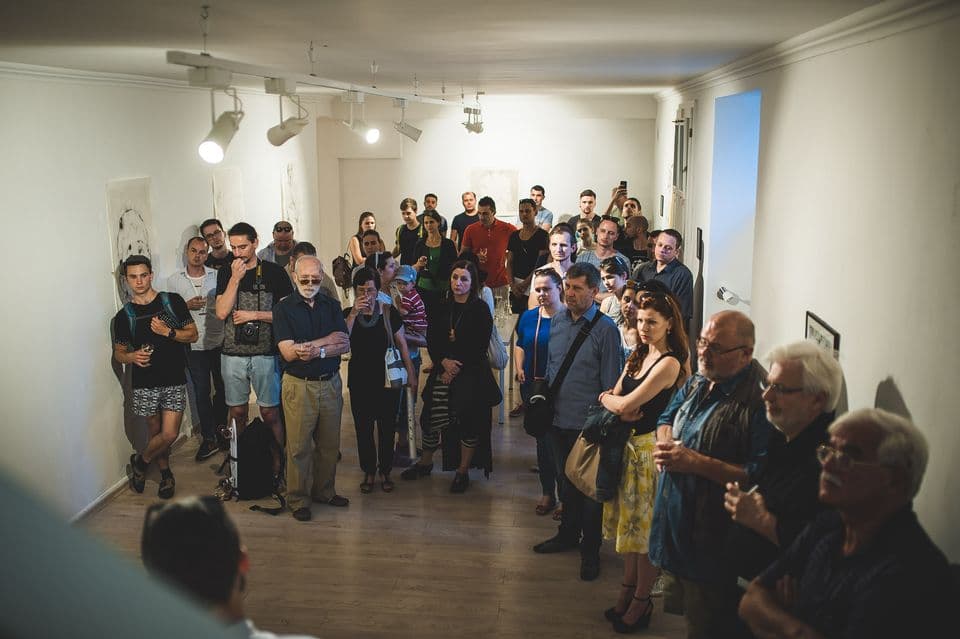
Megnyitó: 8.6.2016, 18:00
DOT. Lazaretská 13, Bratislava
Időtartam: 8.6. - 2.7. 2016
Ormoš alkotásai egyenesen az efemeritás, a bizonytalanság és a múlandóság, valamint az egzisztencializmus témái felé tartanak, amelyeket a művész programszerűen, ismételten dolgoz fel, gyakran nagyszámú műben (például a Pope és a Blues sorozat).
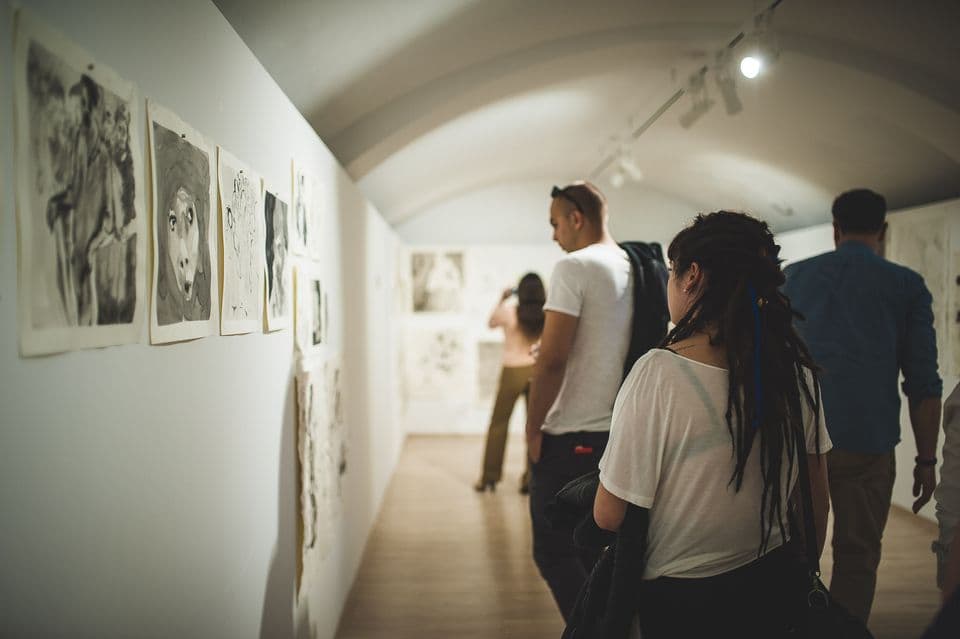
Jelenlegi alkotásaival (jellegzetesen komor fekete-fehér színvilágában, a portréra és a figurára összpontosítva) Ormoš a világ aktuális helyzetére reagál: a menekültek témája a múlt év vége óta rendkívül exponált, mediatizált, különféleképpen értelmezett, és gyakran torz formában kerül a szlovák olvasó vagy néző elé. A hírek áradatát a művész sem kerülhette el, aki befogadóként már képtelen befogadni ezt az információmennyiséget, és e kényes témával szemben – sokakhoz hasonlóan – apatikussá vagy ellenállóvá kezd válni.
Ormoš észreveszi gyakori hajlamunkat arra, hogy a sokféle, rendelkezésre álló információ nagy mennyiségének elemzése és értékelése helyett egyetlen fajta hírrel, fényképpel vagy véleménnyel rokonszenvezzünk, valamint az általánosításra való hajlamunkat, azt, hogy képtelenek vagyunk figyelmünket a részletekre és a konkrétumokra összpontosítani. E megfigyelésekből kiindulva a művész egyszerű eljárást, képzőművészeti gesztust választ, amelynek során a tömegjeleneteket gyakran ábrázoló hírfotók sokaságából
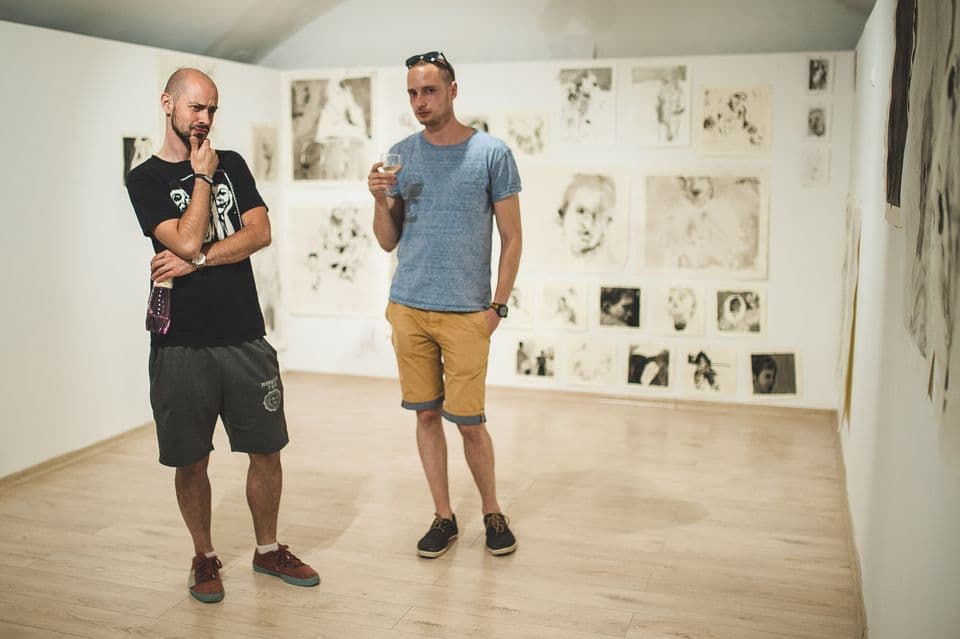
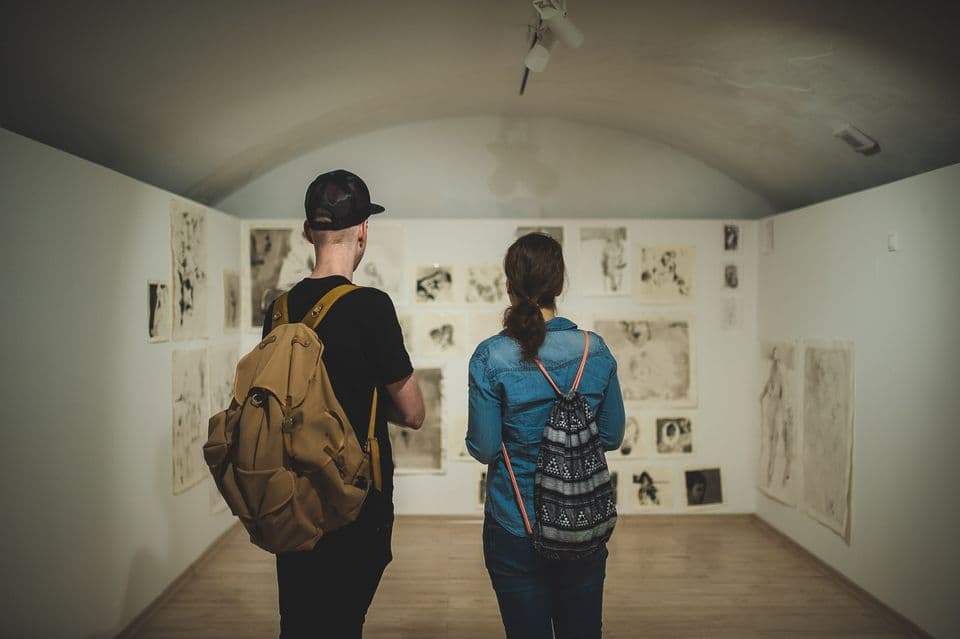
az egyénre összpontosít, akire figyelmét irányítja. Ezzel az egyszerű, de hatásos gesztussal a tömeg heterogenitására mutat rá: a tömeg már nem anonim, egységes és megragadhatatlan, egyének portréi alkotják, amelyek a galéria falain elhelyezve ismét megkülönböztetetlen, egyhangú egészet idézhetnek. Az egyes műveket ugyanakkor nem konkrét emberek személyiségportréiként kell felfogni, hanem inkább sorsok és helyzetek portréiként, amelyek saját érzelmi nyelvükön – a képzőművészeti vizualitás révén – kommunikálnak velünk.
Mivel a migráció témája földrajzi, történelmi és művészeti kontextusunkban sem új, inkább csak megváltozott formában, más okok és konfliktusok miatt tért vissza, a téma feldolgozását a szlovák képzőművészet történetében végzett kutatás is megelőzte (például Majerník, Hložník, Špitz). Ahogyan C. Majerník műveivel kapcsolatban, Zsófie Kiss Szemán mondatai Ormoš aktuális Utečenci című képeiről is találóan szólnának: „Az otthonukból elűzött emberek sorai végtelen áramlatot alkotnak, amely piszkos rongyok csomójára emlékeztet. Hátukon hátizsákkal kényszerűen az ismeretlenbe, a bizonytalanságba menetelnek.”
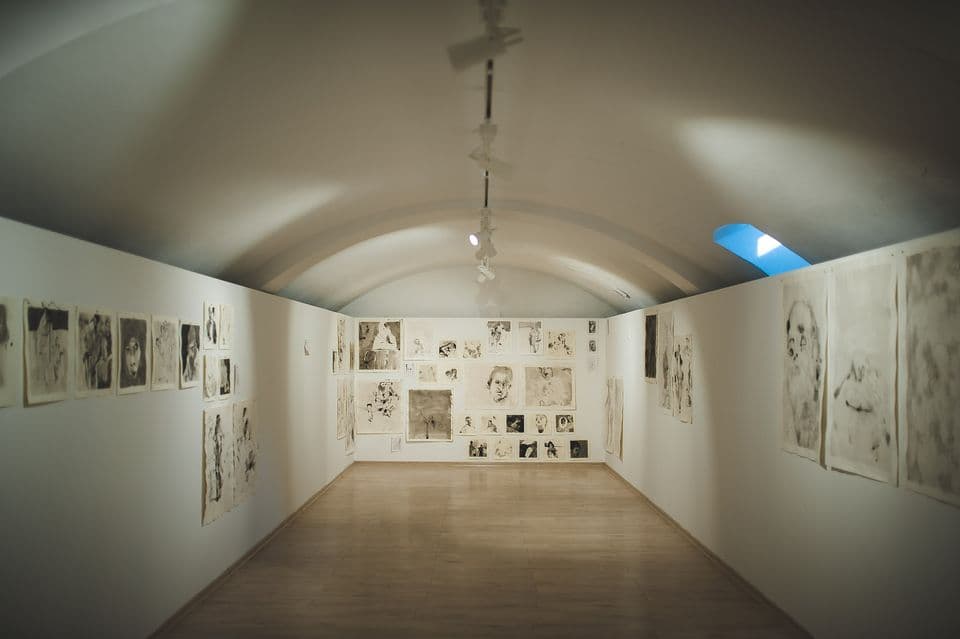
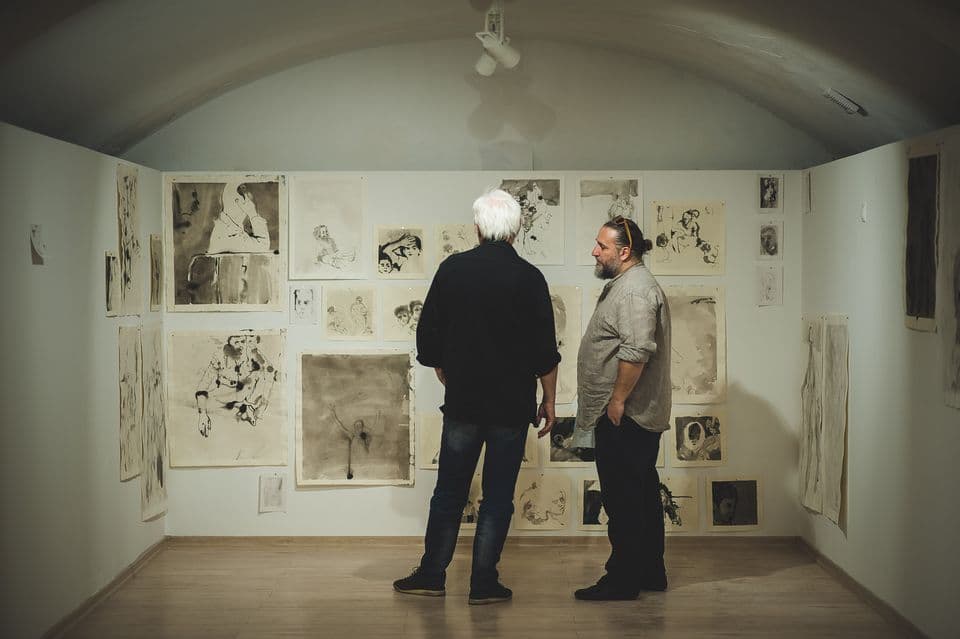
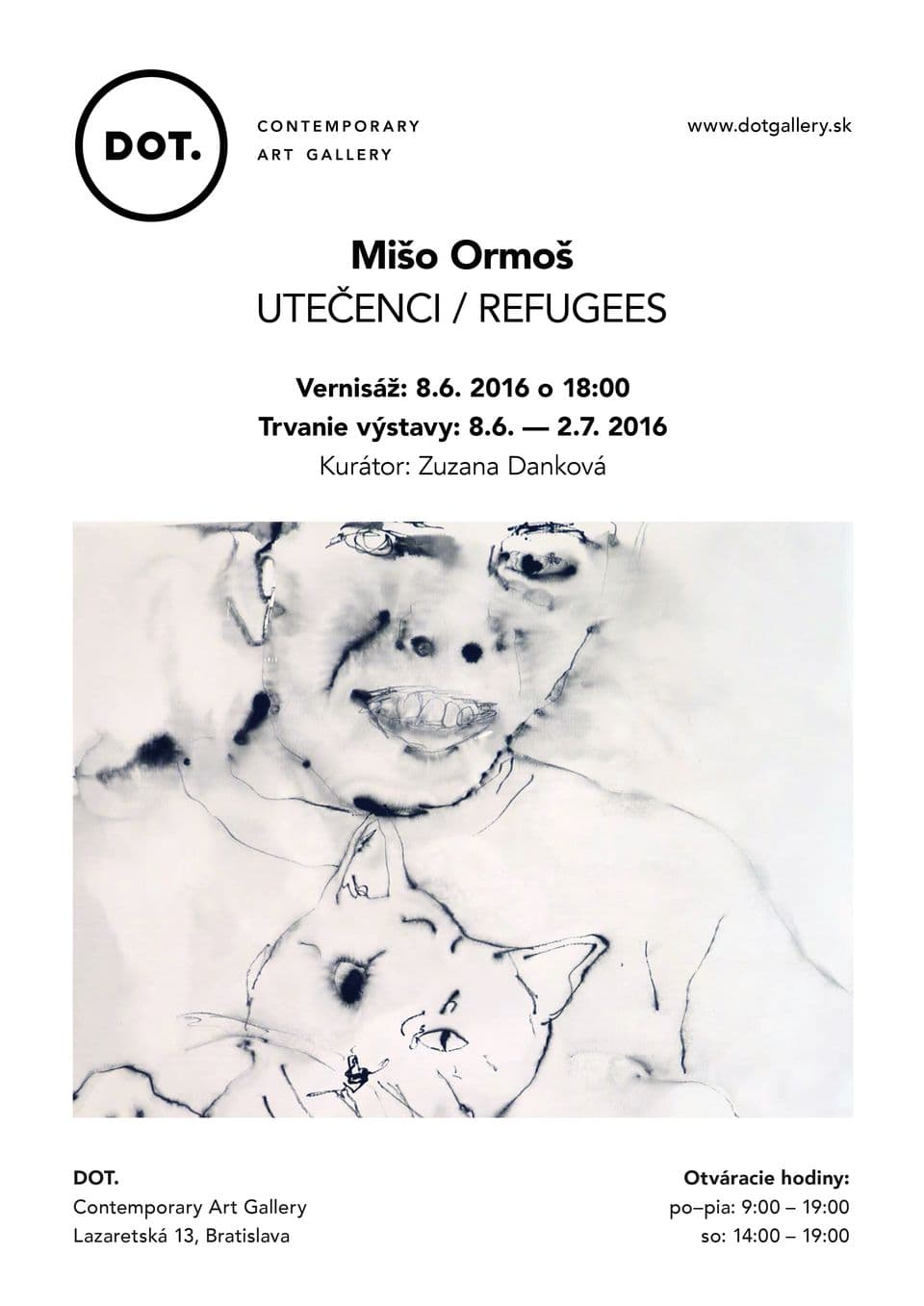
Ormoš képei hol feszült helyzetként, hol várakozásként hatnak. A rajz egyszer nyaralás képének tűnik, máskor bibliai allegorikus jelenetnek. Ez a benyomás nem véletlen, és éppen az egzisztenciális téma portrézásának szokatlan volta hozza létre, a nem leíró, grafikusan ható technikával és a kifejezés rövidítésével (tuss, víz, karcolás) együtt, átható expresszív töltettel.
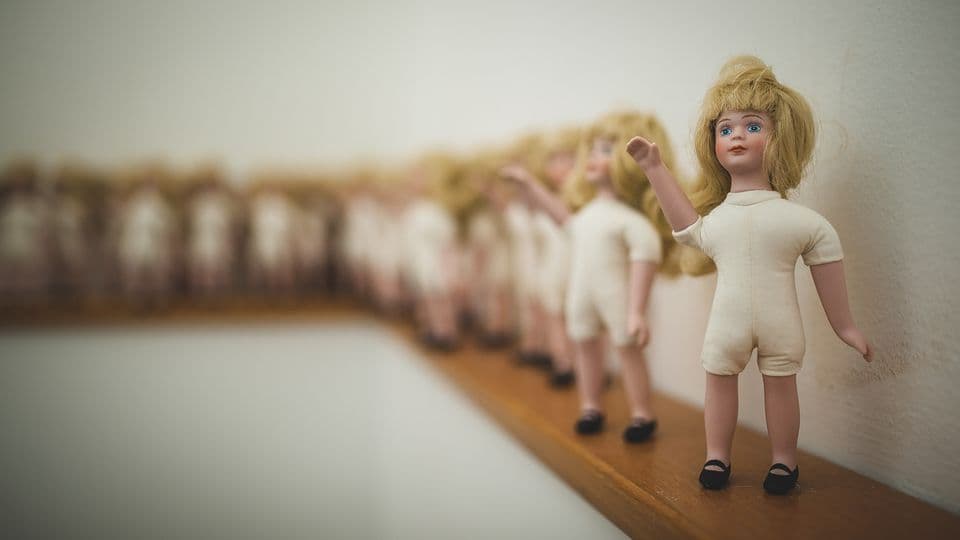
A rajzokat jelentésükben az Inštalácia 88 egészíti ki, ritmikus tömeg – az idealizált EU szindrómája: az egyik oldalon látszólag szép emberek és bensőséges köszöntéseik, a másikon a karlendítéssel való fogadtatás mint gyűlöletgesztus.
Mišo Ormoš (polgári nevén Michal Ormandík, 1991, Bratislava) több műfajú művész, jelenleg az Akadémia výtvarných umení v Prahe hallgatója, Tomáš Svoboda Ateliér nových médií műtermében.
A kiállítást közforrásokból a Fond na podporu umenia (fpu.sk) támogatta.
---
eng
Mišo Ormoš - Refugees
Curator: Mgr. Zuzana Danková
Opening: 8th June 2016, 18:00
DOT. Lazaretská 13, Bratislava
Duration: 8th June – 2nd July 2016
Ormoš’s work heads directly into the themes of ephemerality, instability, finiteness altogether with existentialism. All of them are programmatically and repeatedly processed in the high number of author’s artefacts (e.g. Pope and Blues series).
In his current work (using his typically bleak black-and-white colours and a focus on a portrait and a figure), Ormoš reacts to actual situation in the world: the subject of refugees has been strikingly exposed and publicized since the end of the last year, variously interpreted and often presented in a deformed shape to Slovak readers and viewers. Under this flood of information, our author loses the receiving quality, beginning (as many others) to be apathetic and resistant towards the sensitive topic.
Ormoš notices our common tendency to sympathize with one kind of news, photographs or opinions without an analysis and evaluation of higher amount of various accessible pieces of information, both with a tendency for overgeneralization; our inability to focus an attention on details and concreteness.
Building on the basis of these observations, the author chooses a simple approach – in his art gesture, he works with a high amount of photographs picturing crowd scenes, where he highlights an individual, towards whom his attention is driven.
By this simplistic, but an effective gesture, Ormoš shows a heterogeneity of a mass: a crowd is no longer anonymous, uniform and incomprehensible; now it consists from portraits of individuals, though it might once again evoke a non-distinguished, homogeneous unit, when being installed on the walls of the gallery.
However, his works should not be perceived as personality portraits of particular people, but more as portraits of destinies and situations, communicating with us by their own emotional language – the art visualisation.
As a topic of migration is not that new in our geographic, historical and artistic context (it has just returned in a different shape and due to slightly different reasons and conflicts than those before), a research of the topic within the history of the Slovak art (e.g. Majerník, Hložník, Špitz) had been done before its artistic processing. Similarly as in their connection with the works of C.
Majerník, the sentences of Zsóffia Kiss Szemán could be used as a precise comment on the actual paintings of Ormoš’s Refugees (Utečenci): “The crowds of the people that have been cast out of their homes form an infinite flow, resembling a cluster of dirty rags. With the packs on their backs, they are forced to march towards unknown, towards uncertainty.”
Ormoš’s paintings once seem to depict tense situations, once a waiting. One time, a particular drawing acts as an image of the vacancy, other time as a biblical, allegorical scene. Such impression is not accidental; it is achieved by the unusualness of the way of portrait creation by combining an existential theme with non-descriptive, graphically-acting technique and a shorthand procedure (ink, water and engraving) with a vivid expressionistic quality.
The drawings are semantically coexisting with Installation 88 (Inštalácia 88) that depicts a rhythmic crowd – a syndrome of the idealised EU: on one side seemingly beautiful people and their fervent greetings, on the other one – greetings of hailing as a gesture of hatred.
Mišo Ormoš (own name Michal Ormandík, 1991, Bratislava) is multi-genre artist, currently studying on the Academy of Fine Arts in Prague in Tomáš Svoboda’s Atelier of New Media.
-
Supported using public funding by Slovak Arts Council
Galéria