
Mišo Ormandík
Refugees
- Termín
- 8. 6. – 2. 7. 2016
- Místo
- Galerie DOT.
- Kurátor
- Mgr. Zuzana Danková
- Umělci
- Mišo Ormandík
StartFragment
Mišo Ormoš - Refugees
Kurátorka: Mgr. Zuzana Danková
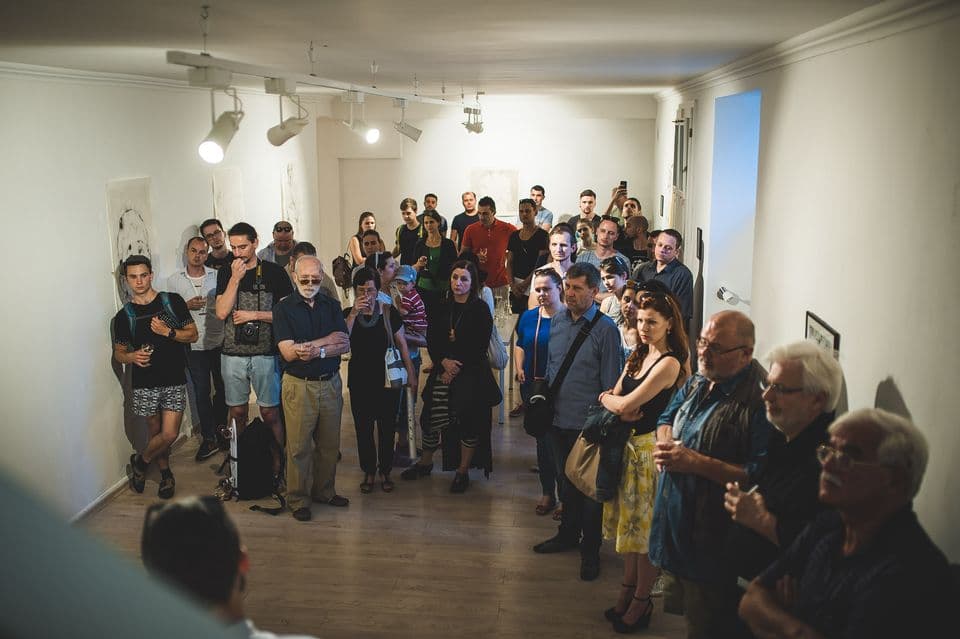
Vernisáž: 8.6.2016, 18:00
DOT. Lazaretská 13, Bratislava
Trvání: 8.6. - 2.7. 2016
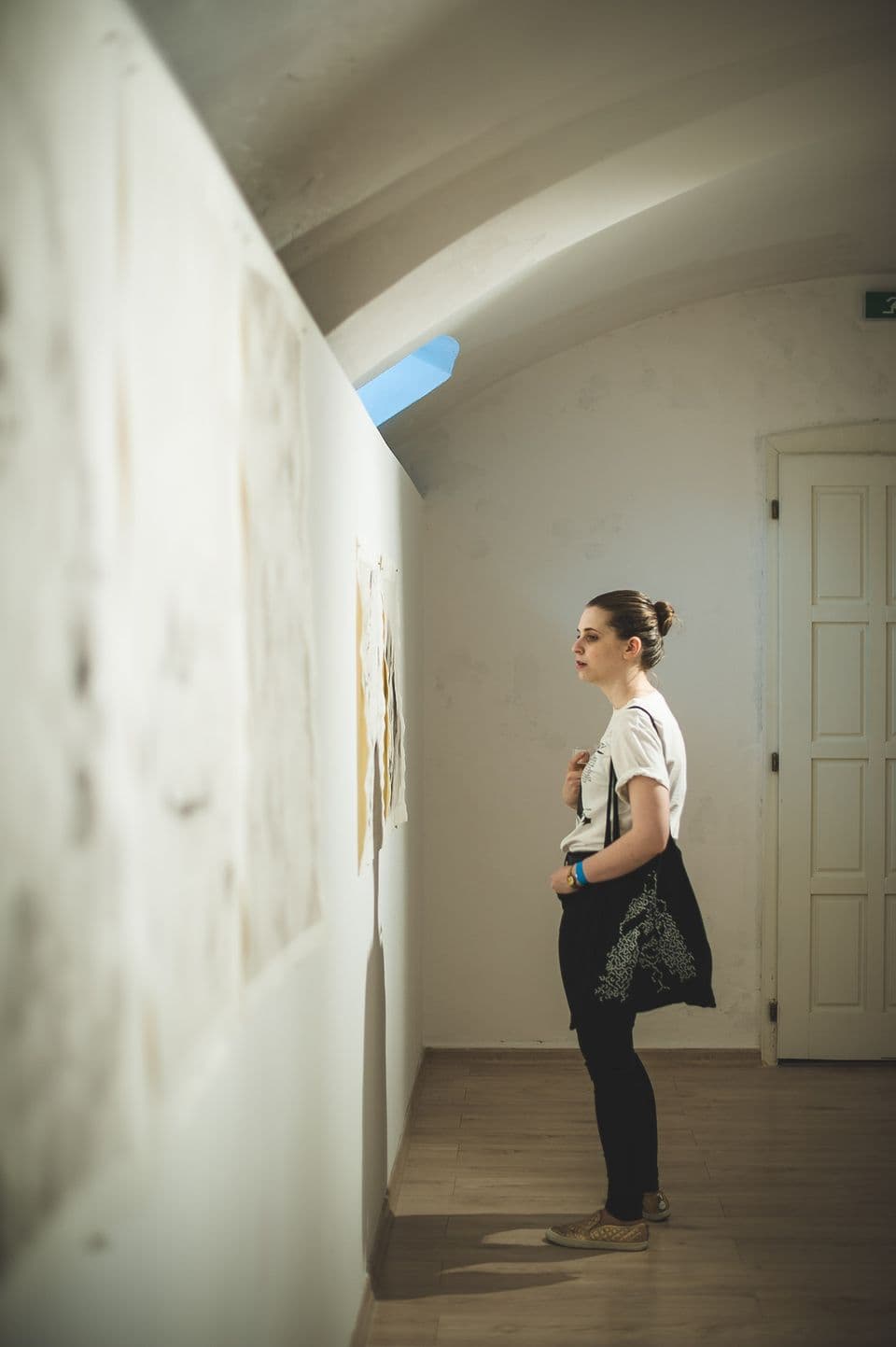
Ormošova tvorba se přímočaře ubírá k tématům efemérnosti, nestálosti, pomíjivosti, ale i existencialismu, která autor programově opakovaně zpracovává, často ve velkém počtu děl (například série Pope a Blues).
V současnosti svou tvorbou (v typicky pochmurné černobílé barevnosti a zaměření na portrét a figuru) Ormoš reaguje na aktuální situaci ve světě: téma uprchlíků je od konce minulého roku mimořádně exponované, medializované, různě interpretované a často v deformované podobě předkládané slovenskému čtenáři nebo divákovi. Záplavy zpráv neobešly ani autora, který toto množství informací jako příjemce už nedokáže přijímat a začíná být vůči tomuto choulostivému tématu stejně jako mnozí jiní apatický nebo rezistentní.
Ormoš si všímá naší časté tendence sympatizovat s jediným druhem zpráv, fotografií či názorů, namísto analýzy a vyhodnocování velkého množství rozličných dostupných informací, a zároveň tendence ke zobecňování, neschopnosti zaostřit svou pozornost na detaily a konkrétnosti. Vycházeje z těchto postřehů volí autor jednoduchý postup, výtvarné gesto, při kterém se z množství zpravodajských fotografií, často zobrazujících davové scény,
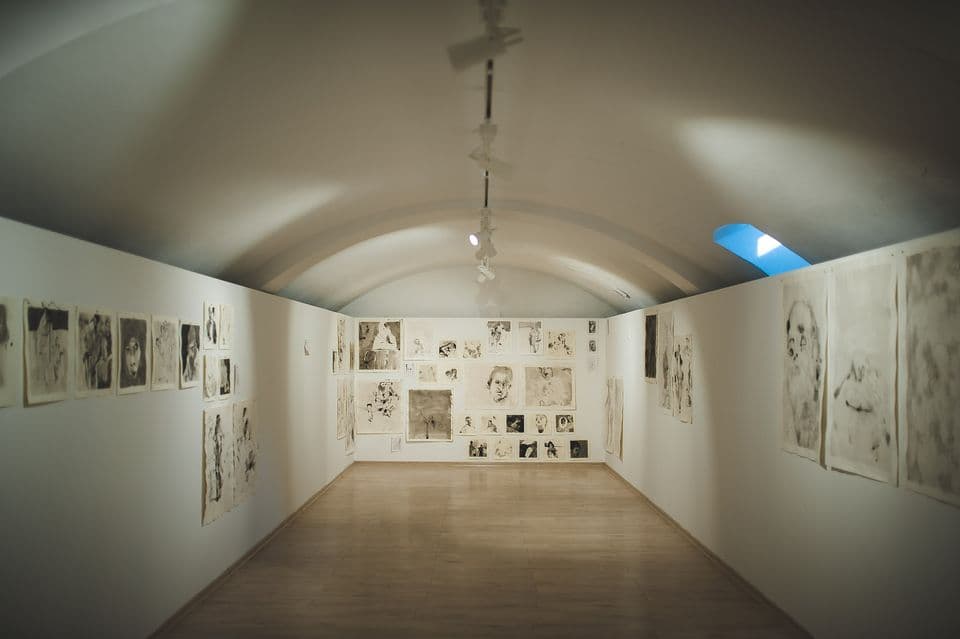
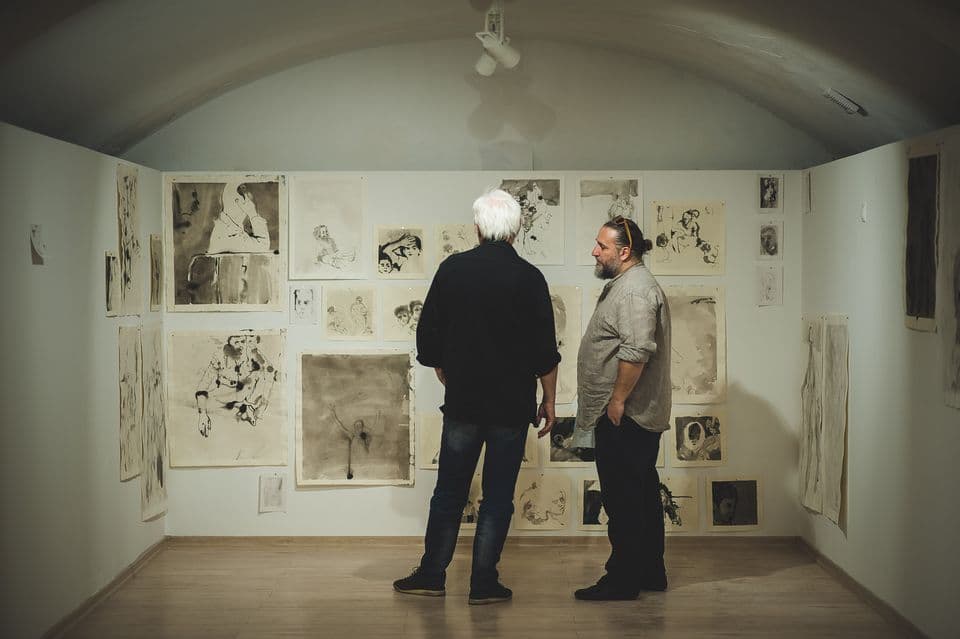
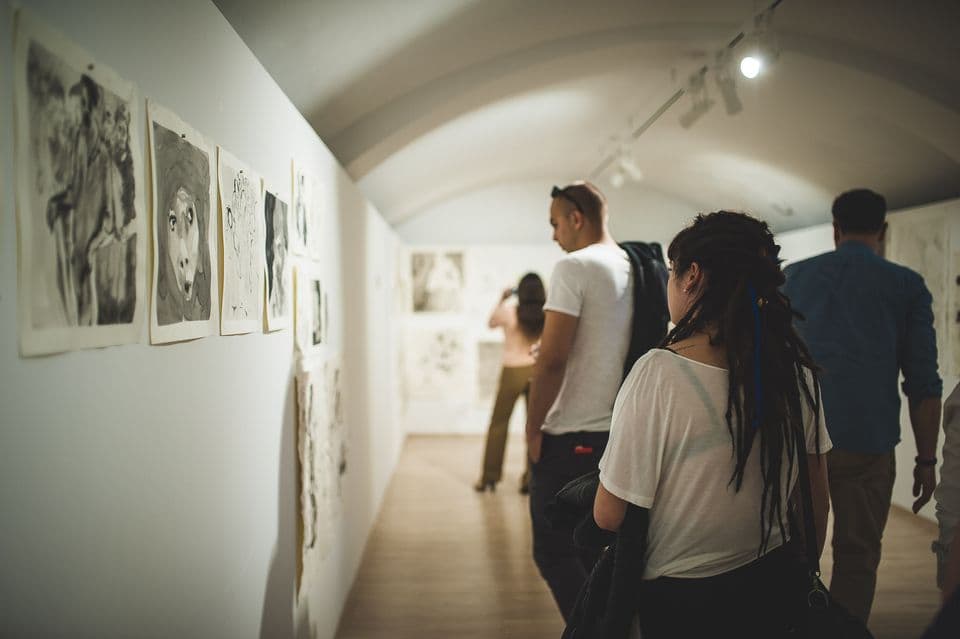
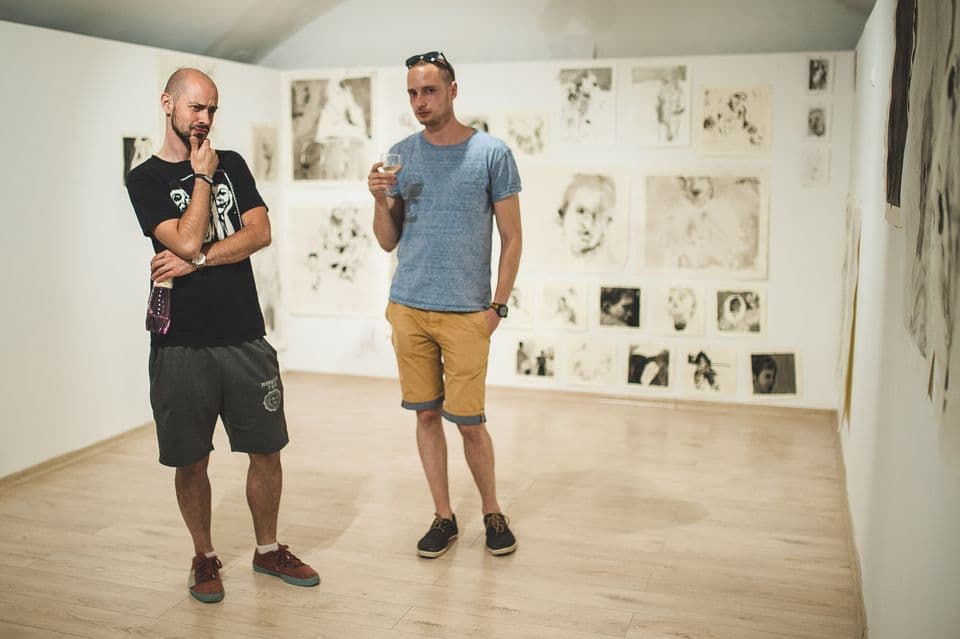
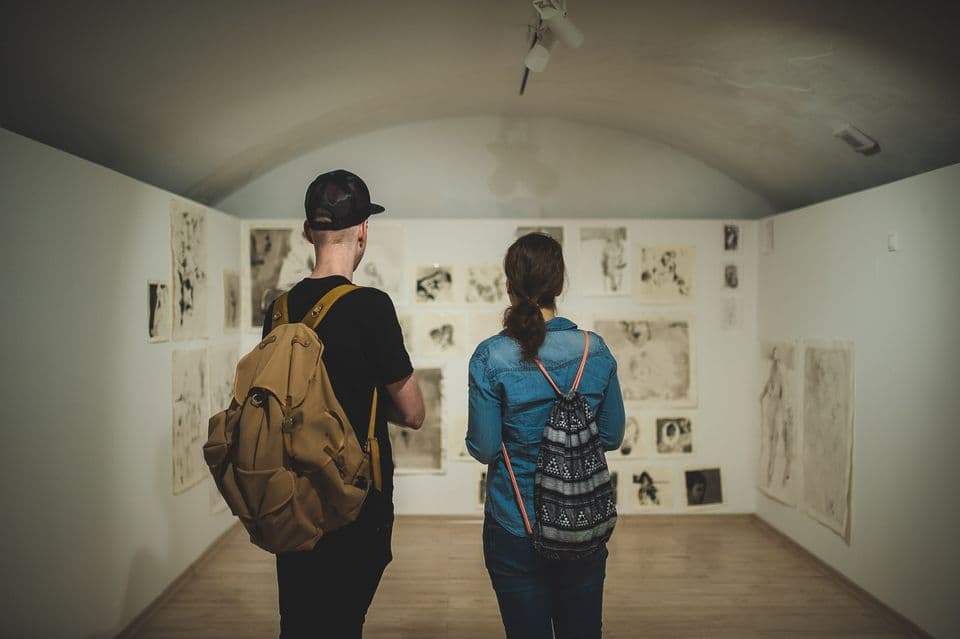
zaměřuje na jednotlivce, ke kterému směřuje svou pozornost. Tímto jednoduchým, ale účinným gestem poukazuje na nestejnorodost masy: dav už není anonymní, jednotný a neuchopitelný, tvoří ho portréty jednotlivců, které však v instalaci na stěnách galerie mohou opětovně evokovat nerozlišený, jednotvárný celek. Jednotlivá díla přitom není třeba vnímat jako osobnostní portréty konkrétních lidí, ale spíše portréty osudů a situací, komunikující s námi vlastním emocionálním jazykem – výtvarnou vizualitou.
Jelikož téma migrace není ani v našem geografickém, historickém a uměleckém kontextu nové, spíše se jen vrátilo v obměněné podobě a kvůli jiným příčinám a konfliktům, zpracování tématu předcházela i jeho rešerše v dějinách slovenského výtvarného umění (například Majerník, Hložník, Špitz). Stejně jako v souvislosti s díly C. Majerníka by věty Zsófie Kiss Szemán přiléhavě vypovídaly i o aktuálních obrazech Ormošových Utečencov: “Zástupy lidí vyhnaných z domova tvoří nekonečný proud, připomínající chuchvalec špinavých hadrů. S batohy na zádech nuceně pochodují do neznáma, do nejistoty.”
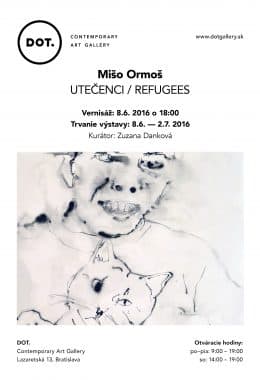
Ormošovy obrazy působí někdy jako vypjatá situace, jindy jako čekání. Jednou působí kresba jako obraz dovolené, jindy jako biblický alegorický výjev. Tento dojem není náhodný a vytváří ho právě nezvyklost portrétování existenciálního tématu v kombinaci s nedeskriptivní graficky působící technikou a výrazovou zkratkou (tuš, voda, rytí) s pronikavým expresivním nábojem.
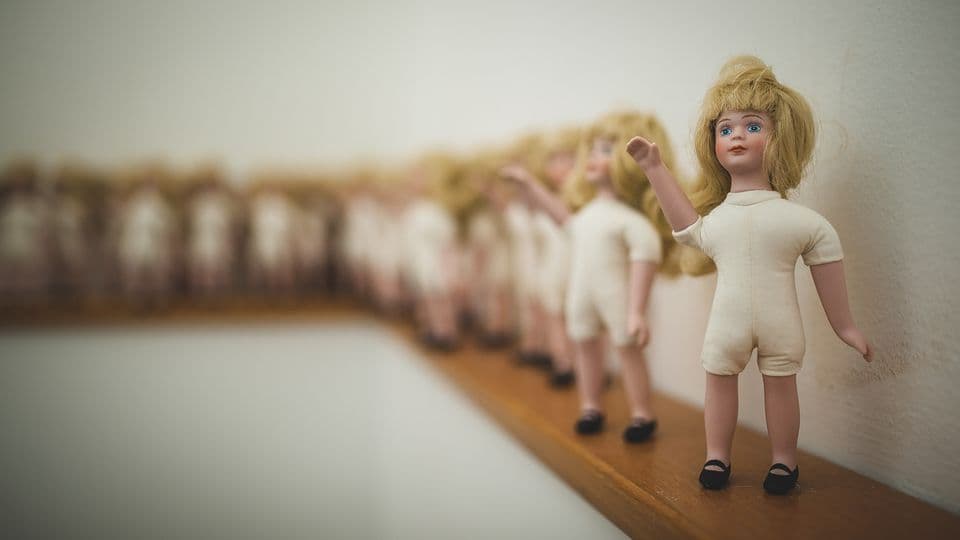
Kresby významově doplňuje Inštalácia 88, rytmický dav – syndrom idealizované EU: na jedné straně zdánlivě krásní lidé a jejich vroucí pozdravy, na druhé – vítání hajlováním jako nenávistné gesto.
Mišo Ormoš (vlastním jménem Michal Ormandík, 1991, Bratislava) je multižánrový umělec, aktuálně studuje na Akadémii výtvarných umení v Prahe v Ateliéri nových médií Tomáša Svobodu.
Výstavu podpořil z veřejných zdrojů Fond na podporu umenia (fpu.sk)
---
eng
Mišo Ormoš - Refugees
Curator: Mgr. Zuzana Danková
Opening: 8th June 2016, 18:00
DOT. Lazaretská 13, Bratislava
Duration: 8th June – 2nd July 2016
Ormoš’s work heads directly into the themes of ephemerality, instability, finiteness altogether with existentialism. All of them are programmatically and repeatedly processed in the high number of author’s artefacts (e.g. Pope and Blues series).
In his current work (using his typically bleak black-and-white colours and a focus on a portrait and a figure), Ormoš reacts to actual situation in the world: the subject of refugees has been strikingly exposed and publicized since the end of the last year, variously interpreted and often presented in a deformed shape to Slovak readers and viewers. Under this flood of information, our author loses the receiving quality, beginning (as many others) to be apathetic and resistant towards the sensitive topic.
Ormoš notices our common tendency to sympathize with one kind of news, photographs or opinions without an analysis and evaluation of higher amount of various accessible pieces of information, both with a tendency for overgeneralization; our inability to focus an attention on details and concreteness.
Building on the basis of these observations, the author chooses a simple approach – in his art gesture, he works with a high amount of photographs picturing crowd scenes, where he highlights an individual, towards whom his attention is driven.
By this simplistic, but an effective gesture, Ormoš shows a heterogeneity of a mass: a crowd is no longer anonymous, uniform and incomprehensible; now it consists from portraits of individuals, though it might once again evoke a non-distinguished, homogeneous unit, when being installed on the walls of the gallery.
However, his works should not be perceived as personality portraits of particular people, but more as portraits of destinies and situations, communicating with us by their own emotional language – the art visualisation.
As a topic of migration is not that new in our geographic, historical and artistic context (it has just returned in a different shape and due to slightly different reasons and conflicts than those before), a research of the topic within the history of the Slovak art (e.g. Majerník, Hložník, Špitz) had been done before its artistic processing. Similarly as in their connection with the works of C.
Majerník, the sentences of Zsóffia Kiss Szemán could be used as a precise comment on the actual paintings of Ormoš’s Refugees (Utečenci): “The crowds of the people that have been cast out of their homes form an infinite flow, resembling a cluster of dirty rags. With the packs on their backs, they are forced to march towards unknown, towards uncertainty.”
Ormoš’s paintings once seem to depict tense situations, once a waiting. One time, a particular drawing acts as an image of the vacancy, other time as a biblical, allegorical scene. Such impression is not accidental; it is achieved by the unusualness of the way of portrait creation by combining an existential theme with non-descriptive, graphically-acting technique and a shorthand procedure (ink, water and engraving) with a vivid expressionistic quality.
The drawings are semantically coexisting with Installation 88 (Inštalácia 88) that depicts a rhythmic crowd – a syndrome of the idealised EU: on one side seemingly beautiful people and their fervent greetings, on the other one – greetings of hailing as a gesture of hatred.
Mišo Ormoš (own name Michal Ormandík, 1991, Bratislava) is multi-genre artist, currently studying on the Academy of Fine Arts in Prague in Tomáš Svoboda’s Atelier of New Media.
-
Supported using public funding by Slovak Arts Council
Galerie